


Do You Need a Solicitor for Probate?
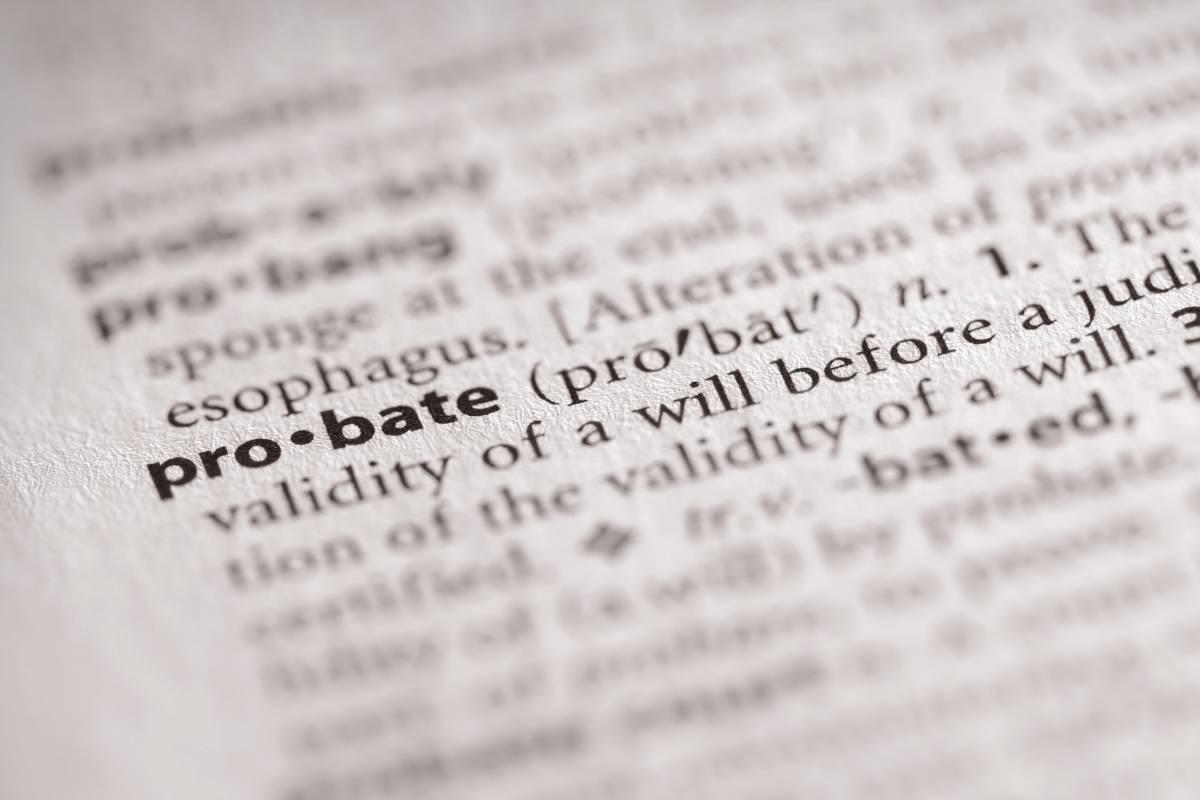
Do You Need a Solicitor for Probate? Common Myths Debunked
Probate is a legal process that many people encounter for the first time following the death of a loved one. It often comes at a time of emotional strain, when executors are expected to manage unfamiliar legal, financial and administrative responsibilities. As a result, one of the most common questions asked is whether a solicitor is really necessary.
While it is technically possible to handle probate without legal representation, the reality is that many estates benefit significantly from solicitor involvement. Probate is not simply a form-filling exercise. It is a legal process with financial consequences, strict obligations and potential personal liability for those responsible.
This article addresses common myths surrounding probate and explains why, in most cases, using a solicitor is the safest and most reliable way to administer an estate.
What Is Probate?
Probate is the legal authority required to deal with a deceased person’s estate. It allows the executor named in a Will, or an administrator where there is no Will, to collect assets, settle debts and distribute the estate to beneficiaries.
Whether probate is required depends on the assets involved, how they are owned and the policies of banks and financial institutions. Estates that include property, investments or higher-value accounts usually require a formal grant before assets can be accessed or transferred.
Although the probate process follows a defined framework, it involves legal declarations, asset valuations, inheritance tax reporting and statutory duties that must be carried out correctly.
The Legal Responsibilities of an Executor
An executor has a legal duty to administer the estate properly. This includes identifying all assets and liabilities, valuing the estate accurately, settling outstanding debts, paying any inheritance tax due and distributing the estate in accordance with the Will or intestacy rules.
Executors are personally responsible for mistakes made during the administration process. Errors can result in financial loss, penalties from HMRC or claims from beneficiaries. This personal liability is one of the main reasons many executors choose to instruct a solicitor.
Myth 1: You Only Need a Solicitor for Very Large Estates
This is a common misunderstanding. While large or complex estates almost always require professional legal support, smaller estates can also present risks. Property ownership, family circumstances, beneficiary disputes or inheritance tax thresholds can introduce complexity regardless of overall estate value.
A solicitor’s role is not limited to high-value estates. Legal expertise helps ensure that even modest estates are administered correctly and efficiently.
Myth 2: Probate Is Just Paperwork
Although probate involves completing forms, it is far more than an administrative task. Executors must make legal declarations, interpret the Will correctly, assess tax liabilities and comply with statutory deadlines.
Errors in valuations, omissions of assets or misunderstandings of executor duties can cause delays and expose executors to legal and financial risk. Solicitors are trained to identify and manage these issues before they become problems.
Myth 3: Using a Solicitor Makes Probate Slower
In practice, solicitors often help avoid delays rather than cause them. Missing information, incorrect applications or misunderstandings frequently lead to rejected submissions or prolonged correspondence with HM Courts and Tribunals Service or HMRC.
A solicitor’s experience allows applications to be prepared accurately, reducing the likelihood of avoidable delays and ensuring the process runs as smoothly as possible.
Myth 4: A Clear Will Means Probate Is Straightforward
A valid Will provides direction, but it does not remove all complexity. Estates may still involve property sales, business interests, jointly owned assets, trusts, overseas holdings or tax considerations.
Even with a clear Will, legal interpretation and administrative accuracy are essential. Solicitors ensure the Will is applied correctly and that all legal obligations are met.
Why Many Executors Choose to Use a Solicitor
Executors often choose to instruct a solicitor for reassurance, protection and efficiency. Solicitors provide regulated legal advice, manage correspondence with institutions, prepare accurate applications and ensure compliance with probate and tax law.
This support reduces stress at an already difficult time and allows executors to focus on personal matters rather than legal complexity.
When Using a Solicitor Is Strongly Recommended
In many situations, using a solicitor is not just advisable but strongly recommended. This includes estates involving property, inheritance tax reporting, business assets, overseas elements, disputed Wills or potential claims under the Inheritance Act.
In these cases, legal expertise helps protect executors from personal liability and ensures the estate is administered in line with current law.
The Financial Impact of Probate Errors
Probate mistakes can be costly. Incorrect inheritance tax calculations can lead to penalties and interest. Failure to identify creditors can result in personal liability. Disputes between beneficiaries can delay distribution and increase legal costs.
Solicitors help prevent these issues by applying structured processes and legal knowledge throughout the administration.
Cost Considerations and Value
Some executors are concerned about the cost of using a solicitor. However, legal fees should be weighed against the potential financial and emotional cost of errors, delays or disputes.
In many cases, solicitor fees represent a proportionate and worthwhile investment in ensuring the estate is handled correctly and efficiently.
Conclusion
So, do you need a solicitor for probate? While it may be possible to administer some estates without legal support, probate is a legal process with real responsibilities and risks. For most executors, using a solicitor provides protection, clarity and peace of mind.
By instructing a solicitor, executors can ensure the estate is administered correctly, beneficiaries are treated fairly and legal obligations are fully met.
Frequently Asked Questions: Do You Need a Solicitor for Probate?
Do you need a solicitor for probate in the UK?
It is not legally required, but many estates benefit from solicitor involvement due to legal responsibilities and the risk of personal liability for executors.
Why do most people use a solicitor for probate?
Solicitors provide legal expertise, ensure compliance with probate and tax law, and reduce stress and risk for executors.
Is probate risky without legal support?
Yes. Errors can lead to delays, financial penalties or personal liability. Legal support significantly reduces these risks.
Does a solicitor make probate faster?
Solicitors help prevent avoidable delays by ensuring applications are accurate and complete.
When is a solicitor essential?
Where estates involve property, tax issues, disputes, overseas assets or complex family arrangements.
Can executors be held personally liable?
Yes. Executors are legally responsible for mistakes made during estate administration.
Is probate stressful without a solicitor?
Many executors find it overwhelming. Solicitors manage legal and administrative tasks professionally.
What is the difference between guidance and a solicitor?
Solicitors provide regulated legal advice and full estate administration, not just general information.
What if there is no Will?
Intestacy increases complexity and risk, making solicitor involvement particularly advisable.
How do I decide whether to instruct a solicitor?
If the estate involves property, tax or any uncertainty, using a solicitor is usually the safest option.
Back To BlogShare This Post


Recent posts
- What Are the Duties of an Executor? By , 15/06/2026
- Executor vs Administrator UK: What’s the Difference? By , 15/06/2026
- Executor Liability: Can You Be Held Personally Liable? By , 15/06/2026
2015 Archive
2016 Archive
2018 Archive
2019 Archive
2020 Archive
2023 Archive
- July 10 posts
0 Archive
- December 1 posts
Blog Categories
Find your way through the probate maze
Click here to follow our step-by–step probate process guide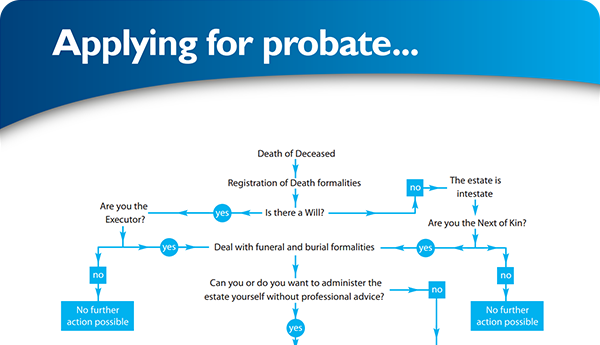
Testimonials
Excellent service, everything went very smoothly. Like to thank Ann and her team.... read more
Good & Reliable service, always kept up to date with what was happening. Value for money.... read more
Latest Tweet
Follow @ProbateBureau


Contact Us
0800 028 2837 info@probatebureau.comTHE PROBATE BUREAU
3 Crane Mead Business Park
Crane Mead
Ware
Hertfordshire
SG12 9PZ
×